
public
Exploring the psychology of casino gambling
The allure of chance and uncertainty
One of the most compelling aspects of casino games is the thrill of chance and uncertainty. Players are drawn to the idea that a single bet can lead to a significant payout, igniting a sense of excitement and hope. This dynamic taps into deep-seated psychological principles, such as the availability heuristic, where individuals perceive events as more likely based on their recent experiences or the vividness of outcomes. When a player witnesses a big win, it creates a cognitive bias that can distort their understanding of probabilities, leading them to believe that winning is more attainable than it truly is. For instance, those who frequent a neosurf australia casino may find themselves caught up in this mindset, as the thrill often encourages riskier bets, further enhancing the allure of chance.
The element of unpredictability plays a crucial role in human behavior as well. Many individuals enjoy the adrenaline rush that accompanies taking risks. This rush comes from the release of neurotransmitters such as dopamine, which are activated when experiencing excitement. In a casino setting, the combination of bright lights, sounds of winning, and the possibility of financial gain amplifies this dopamine release, reinforcing the desire to engage with games of chance repeatedly. This can lead to a cycle of continuous play where the excitement becomes an addictive force, making it difficult for players to step away, even when they know the odds are against them. The interplay between risk and reward in this environment can create a powerful psychological pull.
Furthermore, the psychology of loss aversion influences player behavior. Research shows that the pain of losing is often felt more intensely than the joy of winning. As a result, players may gamble more aggressively to recoup losses, leading to a paradoxical situation where individuals continue to chase their losses rather than quitting while they are ahead. This psychological phenomenon contributes to the ongoing popularity of casino games, as players become entrenched in a cycle of risk-taking behavior fueled by the hope of future success, despite the negative consequences that may arise. Understanding these dynamics can help players recognize the risks associated with their gambling habits.
The role of rewards and reinforcement
Reward systems are intricately woven into the fabric of casino games, serving as a powerful motivator for players. Casinos are designed to create an environment where players are continuously rewarded, whether through small wins, complimentary drinks, or loyalty points. The principle of variable reinforcement plays a significant role here; when rewards are given unpredictably, it can encourage repeated behaviors. This means that players may keep coming back, hoping that their next game could lead to a substantial reward, mirroring behaviors seen in other forms of gambling like lotteries and sports betting. The unpredictability of rewards can create an addictive cycle where anticipation fuels ongoing play.
The concept of near-misses also plays a significant role in reinforcing player behavior. Near misses occur when a player is close to winning, such as landing two matching symbols on a slot machine reel while the third symbol remains elusive. Such experiences can be incredibly motivating, as they evoke feelings of being on the verge of success, prompting players to continue playing in hopes of achieving that elusive win. This tactic leverages psychological principles to make players feel more invested and engaged, even when they are not winning outright, causing them to overlook the potential for loss. The emotional highs associated with near-misses can lead to an increased desire to play, even when the odds remain unfavorable.
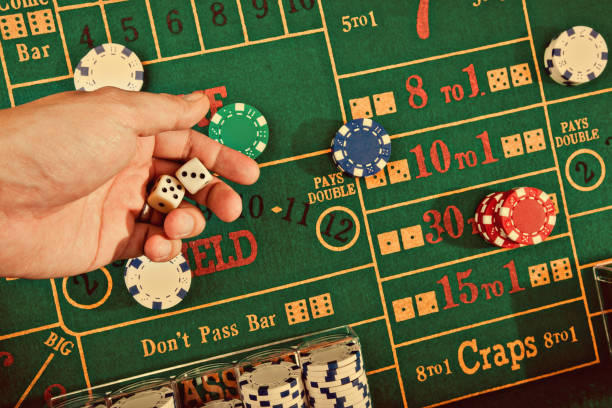
Furthermore, the social aspects of gaming environments can amplify the effects of rewards and reinforcement. Interaction with other players can enhance excitement and create a sense of community, leading to increased engagement. Observing other players winning can instill a belief that they, too, can achieve similar success. This social proof can be a powerful driver, as humans are inherently social beings who often look to others for cues on how to behave. Thus, the reinforcement of rewards, both individually and collectively, solidifies the psychological grip that casino games have on players, making it hard for them to resist returning for more. The social dynamics of the gaming environment further entrench players into the cycle of gambling.
The impact of environment and design
Casino design is meticulously created to influence player behavior, extending beyond the games themselves. Elements such as color schemes, lighting, and soundscapes are strategically chosen to evoke specific feelings and reactions from players. For instance, vibrant colors and bright lights can create an exhilarating atmosphere, stimulating excitement and energy. This carefully crafted environment not only entices players to enter but keeps them engaged for extended periods, aimed at maximizing their spending and ensuring they remain under the casino’s spell. The sensory experience is a critical component of the gambling experience, designed to elicit specific emotional responses from players.
Another critical aspect of casino design is the arrangement of gaming tables and machines. Casinos often use layouts that encourage players to meander through the space, exposing them to various games and enticing them to try their luck. By creating a sense of exploration and discovery, players become more engaged and spend more time gaming. The absence of windows or clocks in many casinos removes the concept of time, further encouraging extended play and minimizing the player’s awareness of how long they have been gambling, which can contribute to poor decision-making. This design strategy effectively manipulates player behavior, making it easier for them to lose track of time and money.
Sensory stimuli also play a crucial role in the overall casino experience. The sounds of coins clinking or the ringing of jackpot bells invoke feelings of excitement and success. These auditory cues reinforce positive experiences and create emotional associations with the gaming experience. As players immerse themselves in these carefully crafted sensory environments, they become more susceptible to the psychological effects of gambling, enhancing the overall allure of casino games and encouraging prolonged engagement, often leading to an overwhelming sense of euphoria that can cloud judgment. The integration of sensory experiences is not just about entertainment; it’s about creating an ecosystem that keeps players coming back.
The psychology of gambling addiction
Gambling addiction is a complex issue heavily grounded in psychology. Many people enter casinos seeking entertainment, but the environment’s allure can transform enjoyment into dependency for some individuals. The combination of risk, reward, and excitement can trigger compulsive behaviors. In many cases, individuals struggling with gambling addiction may experience an overwhelming desire to chase losses, leading to destructive financial and emotional consequences. The compulsion can stem from various psychological factors, such as low self-esteem, anxiety, or social isolation, making it imperative to understand the underlying motivations driving these behaviors. This understanding is crucial for tackling the roots of addiction and promoting healthier gaming habits.

The cycle of gambling addiction often perpetuates itself through cognitive distortions. For example, many individuals may convince themselves that they can control their luck with specific strategies, leading them to engage in increasingly risky behaviors. This belief in “hot” or “cold” streaks can further entrench them in a pattern of playing beyond their financial means. Recognizing these cognitive biases is essential in addressing and overcoming gambling addiction, yet many continue to fall prey to these psychological traps, often rationalizing their behavior despite the negative consequences. The grip of these illusions makes it challenging for individuals to break free from harmful gambling patterns.
Fortunately, understanding the psychology behind gambling addiction can foster awareness and prevention strategies. Various support systems exist for those affected by gambling, including therapy, self-help groups, and counseling. These resources aim to address the underlying psychological issues while offering practical strategies for managing urges and overcoming addiction. By increasing awareness and promoting open dialogue about the psychological aspects of gambling, individuals can begin the journey toward recovery and reclaim control over their lives, fostering healthier attitudes towards gaming. Social support and professional help are crucial in navigating the complexities of addiction and finding a path to recovery.
Insights from our website
Our website aims to provide comprehensive insights into the multifaceted world of casino games, delving into the psychological underpinnings that drive player behavior and experiences. We believe that by understanding the motivations and psychological factors at play, individuals can make informed decisions about their gambling activities. Our goal is to foster a culture of responsible gaming and encourage awareness surrounding the potential risks associated with gambling, ensuring players are equipped with knowledge before engaging in casino games. We strive to create a space where users can find valuable information and resources related to gaming.
In addition to exploring the psychological aspects of casino games, our website features various resources, including articles, guides, and tools for self-assessment. We aim to create a supportive environment where individuals can gain knowledge and recognize signs of problematic gambling behavior. The more equipped players are with information and awareness, the better they can navigate their gaming experiences responsibly, minimizing the risk of developing unhealthy habits. Our commitment to education allows us to contribute positively to the conversation surrounding gambling.
Whether you are a casual player or someone looking to deepen your understanding of the gambling industry’s psychological aspects, our website serves as a valuable resource. We are dedicated to helping individuals find balance and enjoyment within their gaming experiences while remaining mindful of the psychological influences that may impact their decisions. Through education and engagement, we hope to contribute to a healthier approach to gaming culture, empowering players to make choices that prioritize their well-being. Our mission aligns with promoting safer gaming practices and responsible enjoyment of casino activities.