
public
The historical journey of casinos from ancient games to modern gambling hubs
The historical journey of casinos from ancient games to modern gambling hubs
The Origins of Gambling
The practice of gambling can be traced back to ancient civilizations, where evidence of dice and betting games has been found in archaeological sites. As early as 3000 BC, the Chinese were playing games involving chance with rudimentary dice made from animal bones. The ancient Egyptians also engaged in various forms of gambling, often related to their religious practices. These early games set the stage for what would evolve into a complex world of gaming and chance. For instance, many modern players are now turning to the digital realm at platforms like Fortislots casino.
The Greeks and Romans further popularized gambling with organized games like dice and betting on chariot races. The Greeks created a range of betting opportunities, including betting on the outcomes of athletic competitions held during the Olympic Games. In Roman society, gambling was considered a popular pastime, leading to the establishment of formal betting practices that involved more than just chance. This cultural acceptance laid the groundwork for later developments in gambling establishments.
During the Middle Ages, gambling practices took on new forms across Europe. Card games became increasingly popular, with the first known decks of playing cards appearing in the 14th century. The rise of card games indicated a shift from solely chance-based activities to games involving skill and strategy, which attracted different segments of society. This evolution brought gambling into taverns and noble courts, further embedding it into the social fabric of the time.
The Emergence of Casinos
The first official casino, known as the Ridotto, opened its doors in Venice in 1638. It was established as a government-sanctioned venue aimed at regulating gambling and ensuring the safety of players. The Ridotto offered a variety of games, including card games and gambling on the outcomes of various events. This marked a significant shift from informal betting to organized gambling establishments, laying the groundwork for future casinos.
As the concept of the casino spread across Europe, more establishments began to emerge, particularly in cities like Paris and Monte Carlo. These venues provided a luxurious atmosphere for gambling, attracting wealthy patrons and creating a unique culture around high-stakes gaming. The introduction of new games, including roulette and baccarat, captivated players and contributed to the burgeoning reputation of casinos as centers for entertainment.
By the 19th century, casinos had firmly established themselves as social hubs, often associated with glamour and sophistication. The gaming industry began to adopt rules and regulations that defined casino operations, leading to a more structured environment for players. This transformation allowed for the creation of iconic casinos, such as the Casino de Monte-Carlo, which became synonymous with luxury and high-stakes gambling.
The Rise of Legal Gambling in the United States
The establishment of legalized gambling in the United States dates back to the 19th century, with New Orleans becoming a prominent gambling destination. The introduction of riverboat casinos allowed players to engage in gaming on the Mississippi River, which contributed to the growth of gambling culture in the region. However, it wasn’t until the mid-20th century that legalized casinos began to flourish in Las Vegas, Nevada.
Las Vegas emerged as the premier destination for gambling in America, attracting visitors from across the globe. The city’s casinos, characterized by elaborate themes and extravagant entertainment, offered an experience unlike any other. The legalization of gambling in Nevada in 1931 set off a chain reaction, prompting other states to consider similar regulations, ultimately leading to a wider acceptance of gambling across the nation.
The transformation of Las Vegas into a gambling oasis was marked by the introduction of iconic establishments such as the Bellagio and Caesar’s Palace. These casinos not only focused on gaming but also incorporated luxury hotels, gourmet dining, and world-class entertainment, creating a complete entertainment experience. This comprehensive approach set the standard for modern casinos, appealing to a broader audience than just serious gamblers.
The Digital Revolution in Gambling
The late 20th century brought significant changes to the gambling landscape with the advent of the internet. Online casinos began to emerge in the 1990s, allowing players to enjoy their favorite games from the comfort of their homes. This digital revolution democratized access to gambling, attracting a new generation of players who may not have visited traditional brick-and-mortar casinos.
Online platforms offered a diverse range of gaming options, from classic table games to innovative slot machines. The introduction of live dealer games combined the convenience of online gambling with the social interaction of physical casinos. This hybrid model allowed players to engage with real dealers via video streams, enhancing the online gaming experience.
As technology progressed, the rise of mobile gambling further expanded the reach of online casinos. Players could now access their favorite games on smartphones and tablets, making gaming more accessible than ever. This shift has led to an explosion in the number of online casinos, creating a competitive environment where players can find tailored experiences to suit their preferences.
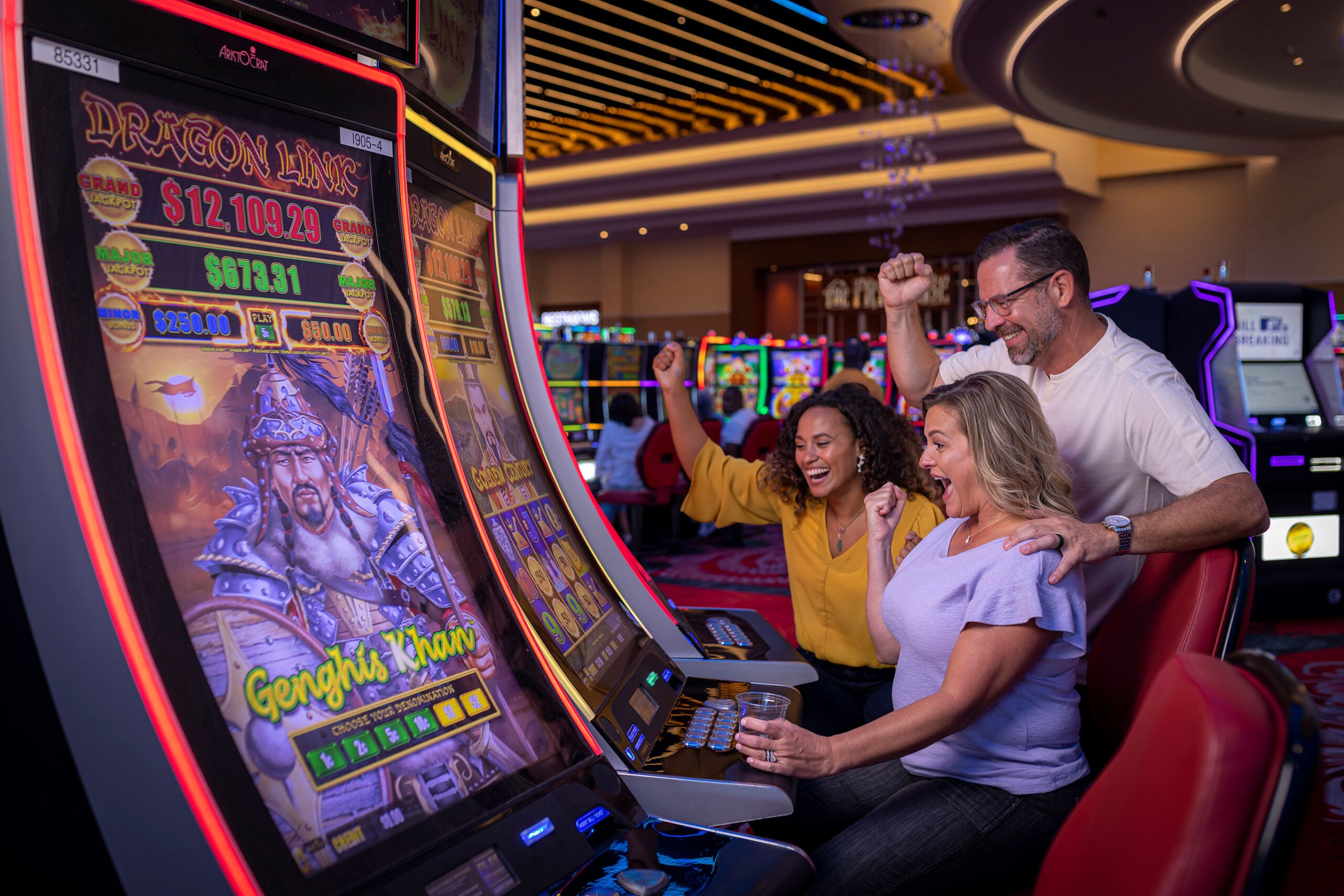
Modern Gambling Hubs and Fortislots
Today, casinos are not only physical establishments but also vibrant online platforms. Websites like Fortislots have emerged as leaders in the digital casino space, offering players a wide array of games from renowned providers. This site exemplifies how technology has transformed the gaming experience, providing a user-friendly interface and quick payment options to enhance player satisfaction.
Fortislots distinguishes itself with a generous Welcome Bonus Package designed to attract new players and enhance their gaming experience. With the option to enjoy thousands of slots and games, players can indulge in their favorite pastimes while benefitting from seamless customer support. This blend of variety and support makes it a preferred choice for both casual gamers and high rollers alike.
The continued evolution of the gambling industry reflects changing player preferences and technological advancements. As modern gambling hubs like Fortislots thrive, they pave the way for the future of gaming, ensuring that players have safe, engaging, and innovative experiences, whether they choose to play online or visit a traditional casino. The historical journey of casinos reminds us of the deep-rooted connection between society and gambling, a relationship that continues to grow and evolve.